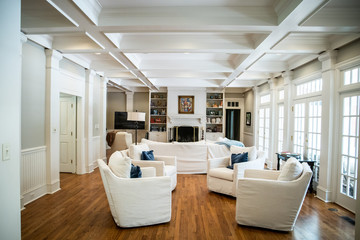
Choosing the right basement ceiling will help you finish your space with style and functionality in mind. It’s important to consider headroom, utility access and future maintenance as you weigh your options.
Drywall offers a polished look that hides ductwork and wiring. But it’s not the only option. Upgrade basic drywall with a coffered or tray ceiling. Visit https://jrcsi.com/ for more details.
Tray Ceilings
If you crave the dramatic look of exposed beams without the need for a full-scale ceiling remodel, a tray ceiling is an option worth exploring. These secondary ceilings hang below your main structural ceiling and offer a handy gap for concealing utilities. They also come in a variety of options to fit any style, from clean and contemporary to rustic and cottage-like.
Drywall ceilings provide the polished aesthetic homeowners love, but if you need regular access to wiring and pipes above your head or want improved sound absorption, a drop ceiling may be a better choice for you. Unlike drywall, which is only available in flat sheets, dropped ceilings feature a grid system with removable panels that can be customized to your room’s design with a wide range of decorative elements and materials, including tin, wood, and metal. You can even get fire-resistant ceiling tiles for added safety.
Dropped ceilings are less expensive than drywall and can be installed quickly, but they also lack the textured finish of a drywall ceiling, so they can appear somewhat industrial. They’re also prone to water damage, especially if you live in an area with frequent storms or have high humidity levels.
You can elevate the appearance of a tray ceiling by painting it in a rich color to draw the eye up and enhance the height of your space. Or, you can leave it bare and let the architectural details speak for themselves. Either way, you can add an instant pop of personality to your home. And because these ceilings work well with virtually any decor, you can let your creative side run wild. Be sure to add lighting for an extra boost of drama!
Wallpapered Ceilings
Drywall ceilings offer a polished, finished aesthetic that blends seamlessly with walls. They can be a smart option in residential basements, especially if you plan to use the space as a living area where a finished appearance is essential. However, if you need regular access to pipes and wires above the ceiling or want improved acoustics, drop ceilings might be a better choice for your home.
A drop ceiling consists of a secondary grid system that supports lightweight panels. These panels are available in a variety of materials that offer different visual and acoustic properties. For example, mineral fiber tiles are ideal for basements because they are moisture resistant and can be stain-treated to limit mold growth. Fiberglass ceilings are often used in high-humidity areas because they resist mold and moisture. They also come in a range of colors and textures to complement any decor. Metal ceilings are popular in commercial spaces because they are durable and fire-resistant.
Drop ceilings are easier to install and less messy than drywall. They also tend to cost less than a drywall ceiling. However, they may require a bit of maintenance, including the need to regularly replace light fixtures.
One of the main drawbacks of a dropped ceiling is that it can cut off headspace in a basement, which might be problematic for some homeowners. This ceiling type is also not ideal for rooms where access to utility lines or a finished look are a priority.
PVC Panels with Faux Finishes
Basements present a unique set of challenges, including limited headroom and the need for access to pipes, wires, and structural beams. To accommodate these issues while elevating the room’s style, you’ll need to consider a variety of ceiling options. The best basement ceiling ideas offer both form and function to manage humidity, control sound, and enhance the resale value of your home.
Drywall is the most traditional basement ceiling finish, delivering a clean look and effective soundproofing when combined with insulation. It’s also a good option for rooms that require easy access to utilities, as it conceals exposed pipes and wiring without impeding access. However, drywall is not ideal for basement bathrooms, as moisture can damage the material.
PVC panels with faux finishes are a practical basement ceiling option, particularly in damp environments. They are non-porous and resistant to mold and mildew, and come in a range of colors and designs that can mimic the appearance of other materials. These panels can be surface mounted to existing plaster or drywall or installed as part of a drop ceiling.
Tray ceilings can help make a low basement feel more spacious, and they can be fitted with hidden lighting strips for a layered design. They can also cleverly hide ductwork and structural beams, and are durable when constructed with moisture-resistant drywall.
Stretch Fabric Ceilings
When converting a basement into living space, it’s important to treat the ceiling as well as the walls and floors. This includes covering or hiding pipes, electrical wiring and ducts. The style of the ceiling also has a dramatic impact on how a basement looks and feels, whether it’s a cozy retreat, a high-tech home theater or a stylish lounge. Here are ten unique basement ceiling ideas:
A traditional drywall basement ceiling can be upgraded with simple textures, bold patterns or printed images, making it easy to match the room’s décor. It’s a quick and affordable option to make an otherwise boring basement into a fun, relaxing or entertaining space.
Drywall panels are typically painted, but you can get creative by hanging wallpaper or other textured wall coverings above the tiles. For a modern and high-tech look, tin or aluminum ceiling tiles can be stamped with ornate Victorian designs or simple textures. Metal panels are also an eco-friendly choice for a basement bar or billiard room.
For a more custom look, coffered or tray ceilings create a pattern of recessed panels that draw the eye upward. They add architectural interest and visual depth, but require more planning for lighting placement and may reduce headroom.
Stretch ceilings use PVC or polyester fabric stretched across a framework, which conceals pipes, wires and ductwork while providing a visually stunning surface that’s easy to clean and can incorporate hidden lighting, artwork or printed graphics. Historically, the technique was used with silk or flax cloth, but it’s now available in more durable materials that are both sanitary and energy efficient. The cellular structure of these systems traps air, reducing heating and cooling costs and improving the acoustics in a room.
Adhesive Ceiling Tiles
A modern twist on a classic design element, glue-up ceiling tiles are available in many styles and colors (smooth, textured, decorative), sizes (2’x2’ and 2’x4’), and textures (wood, tin, and metal). These drop ceiling panels are a great option for those seeking to avoid the hassle of removing and replacing tiles, since they can be easily removed for service. Additionally, they provide acoustic benefits and help to control energy costs by reducing sound transfer between rooms.
For a more traditional look, plank ceilings are available in wood or pressed metal and are either tongue and grooved or flat. These are a good choice for those looking to add texture and interest to their basement, especially when used in combination with exposed beams. Plank ceilings can be painted to match or contrast the walls for a more cohesive aesthetic.
While it’s not recommended to install drywall ceilings over existing utility systems, building inspectors sometimes require access for shut off valves (plumbing or heating/cooling), electrical panels, and ductwork. This is easily accomplished with a drop ceiling by adding simple, integrated access doors or cutting into the drywall.
Whether it’s a sophisticated basement bar and lounge or a cozy family room, Rye Construction Co. offers innovative basement ceiling solutions that combine style, functionality, and accessibility. If you’re interested in transforming your lower level, contact us to schedule a design consultation. Our skilled Denver-area contractors are eager to bring your vision to life. We specialize in thoughtful planning and design, ensuring your new basement is everything you imagined. And more! Our past clients have appreciated our exceptional craftsmanship and client-focused approach to basement transformations. Get started today. You’ll be glad you did!